Is Lactose-Free Cow Milk the Ideal Choice for Lactose-Intolerant Individuals?
Lactose intolerance is a prevalent condition worldwide, affecting millions of people who experience digestive discomfort when consuming regular milk and dairy products. For those individuals, lactose-free cow milk offers a promising alternative. But how beneficial is it? In this blog, we will delve deeply into the topic, exploring what lactose-free cow milk is, its benefits, drawbacks, and its role in managing lactose intolerance.
Understanding Lactose Intolerance: The Basics
What is Lactose?
Lactose is a natural sugar found in milk and other dairy products. Chemically, it is a disaccharide composed of two simple sugars, glucose and galactose. It is a vital carbohydrate source in milk but requires proper digestion to be absorbed effectively.

The Root Cause of Lactose Intolerance
Lactose intolerance occurs due to a deficiency of the enzyme lactase, which is responsible for breaking down lactose into glucose and galactose. When lactose isn’t digested, it passes into the colon, where gut bacteria ferment it. This fermentation leads to symptoms like:
- Bloating
- Abdominal pain
- Gas
- Diarrhea
- Nausea
Prevalence of Lactose Intolerance
Lactose intolerance affects approximately 68% of the global population. Its prevalence varies widely:
- Over 90% in East Asian populations
- 60–80% in Sub-Saharan African and South Asian populations
- 15–25% in Northern European populations
The severity of symptoms varies among individuals based on their lactase enzyme levels and the amount of lactose consumed.
What is Lactose-Free Cow Milk?
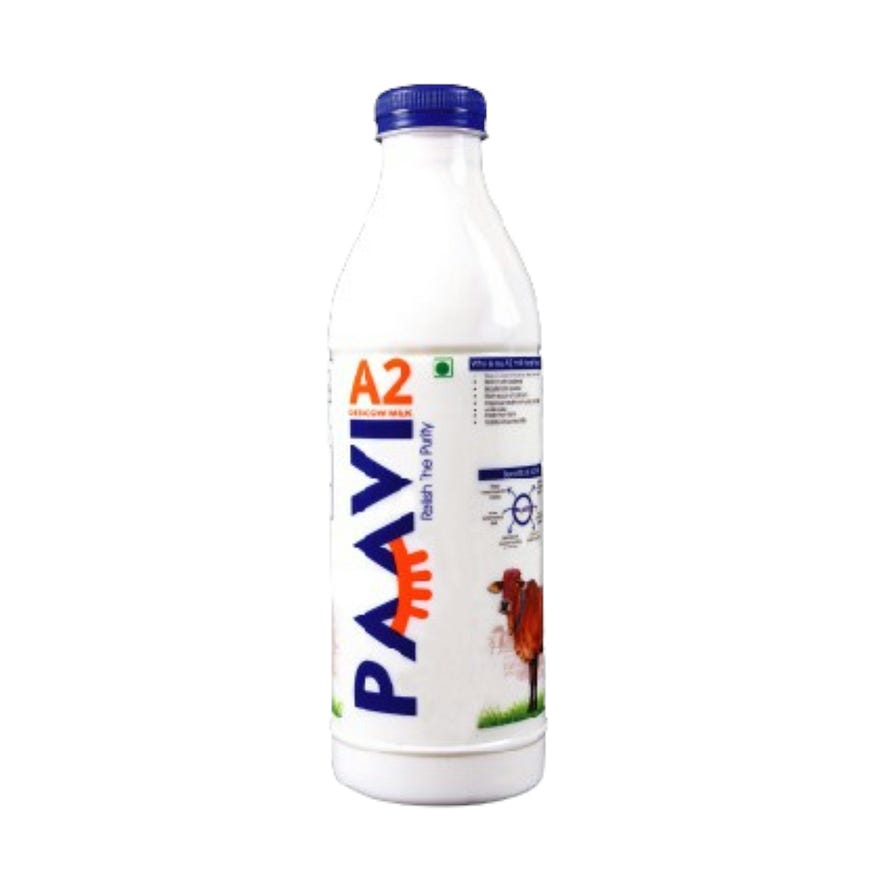
Lactose-free cow milk is regular a2 desi cow milk that has been specially treated to remove or neutralize lactose. The two main methods used are:
- Enzymatic Treatment: Lactase enzyme is added to the milk to break down lactose into glucose and galactose. This process mimics the natural digestion of lactose in the body.
- Ultrafiltration: Physical methods are used to filter out lactose molecules from the milk.
Despite these modifications, lactose-free milk retains its nutritional profile, including:
- High-quality protein: Essential for muscle growth and repair.
- Calcium: Vital for bone health.
- Vitamin D: Crucial for calcium absorption and immune support.
- B Vitamins: Important for energy metabolism and red blood cell formation.
The Benefits of Lactose-Free Cow Milk
1. Relief from Digestive Discomfort
Lactose-free milk eliminates the primary trigger of symptoms in lactose-intolerant individuals. By removing or breaking down lactose, it allows people to enjoy milk without bloating, cramps, or diarrhea.
2. Nutritional Equivalence
Lactose-free milk provides the same nutrients as regular A2 cow milk, ensuring that individuals meet their dietary requirements for:
- Calcium and Vitamin D: Essential for bone density and preventing osteoporosis.
- Protein: Important for maintaining overall health, especially for growing children, athletes, and elderly individuals.
3. Improved Taste
Interestingly, many people find lactose-free milk slightly sweeter than regular milk. This is because the enzymatic breakdown of lactose produces glucose and galactose, which are naturally sweeter than lactose.
4. No Major Dietary Changes Required
Switching to lactose-free milk allows lactose-intolerant individuals to maintain a dairy-inclusive diet without the need for drastic changes. It can be used in the same way as regular milk for drinking, cooking, baking, or adding to beverages like tea and coffee.
5. Wider Availability
With the growing awareness of lactose intolerance, lactose-free milk is now widely available in supermarkets, making it an accessible choice for most consumers.
 How Does Lactose-Free Milk Differ from Dairy-Free Alternatives?
It’s essential to differentiate between lactose-free and dairy products. While they may seem similar, they cater to different dietary needs:
Lactose-free milk is ideal for those who are lactose-intolerant but still want the nutritional benefits of cow milk, whereas dairy-free milk is suitable for those with both lactose intolerance and dairy allergies or who follow a vegan lifestyle.
Potential Drawbacks of Lactose-Free Milk
While lactose-free cow milk is a great solution for many, there are some considerations to keep in mind:
1. Higher Cost
Lactose-free milk often comes at a premium price due to the additional processing involved. This may be a barrier for some consumers, especially in regions where regular milk is significantly cheaper.
2. Processing Concerns
The enzymatic treatment of milk involves industrial processing. While this is safe and does not compromise nutritional quality, some individuals prefer minimally processed foods.
3. Taste Preference
While many enjoy the slightly sweeter taste of lactose-free milk, others may find it less appealing compared to regular milk.
4. Not Suitable for Dairy Allergies
Lactose-free milk still contains proteins like casein and whey, which can trigger allergic reactions in individuals with a dairy allergy.
Scientific Validation: Is Lactose-Free Milk Effective?
Scientific studies strongly support the effectiveness of lactose-free milk in managing lactose intolerance:
- Symptom Reduction: Research in the Journal of Dairy Science found that lactose-free milk significantly reduces gastrointestinal symptoms in lactose-intolerant individuals compared to regular milk.
- Nutritional Impact: A study published in the American Journal of Clinical Nutrition showed that lactose-free milk provides comparable calcium absorption to regular milk, ensuring bone health remains unaffected.
- Consumer Satisfaction: Surveys indicate that most lactose-intolerant consumers find lactose-free milk an effective and convenient solution.

Lactose-Free Milk and Lifestyle
1. Cooking with Lactose-Free Milk
Lactose-free milk can be used as a direct substitute for regular milk in recipes. From creamy soups to baked goods, it performs just as well without altering the texture or consistency.
2. Inclusion in Diet Plans
Dieticians often recommend lactose-free milk for people who struggle to meet their calcium and protein needs due to lactose intolerance. It’s particularly useful for:
- Children, who need milk for growth and development.
- Pregnant and breastfeeding women, who have increased calcium demands.
- Elderly individuals, who are at risk of bone density loss.
3. Fitness and Lactose-Free Milk
Lactose-free milk is an excellent post-workout drink, providing high-quality protein for muscle recovery and carbohydrates for energy replenishment.
The Market for Lactose-Free Milk: Trends and Innovations
The global market for lactose-free dairy products is expanding rapidly. Consumer demand is driven by:
- Increasing awareness of lactose intolerance.
- A growing preference for functional and specialty foods.
- Advancements in food processing technologies.
Producers are innovating to improve the taste, texture, and nutritional value of lactose-free products, including flavored milk, lactose-free yogurt, and cheese.
Conclusion: Is Lactose-Free Cow Milk Good for Lactose Intolerant People?
The answer is a resounding yes. Lactose-free cow milk is a highly effective solution for lactose-intolerant individuals, offering all the benefits of regular milk without the discomfort. Its nutritional equivalence, versatility, and accessibility make it a practical choice for maintaining a healthy and balanced diet.
However, like any dietary choice, the decision to include lactose-free milk should consider personal preferences, budget, and health requirements. For most people with lactose intolerance, lactose-free milk represents the best of both worlds: the goodness of dairy without the drawbacks of lactose.
In a world where dietary inclusivity is increasingly important, lactose-free milk stands out as a testament to the power of innovation in meeting diverse nutritional needs.


Comments
Post a Comment